Pollinator Habitat Certification

The City of St. Joseph is a Bee City USA, recognizing our roots in agriculture and the important role that native pollinators play in our economy and local food supply. Up to 40% of pollinator species are at risk of extinction in the coming years as a result of environmental stressors including habitat loss and fracturing, exposure to pesticides, diseases and pathogens, and climate change.

No action is too small, and every inch of habitat makes a difference for some of our tiniest residents. Whether you have a few potted plants on a patio or balcony or a fully-planted garden, you can earn recognition for your efforts.

Certification Levels:
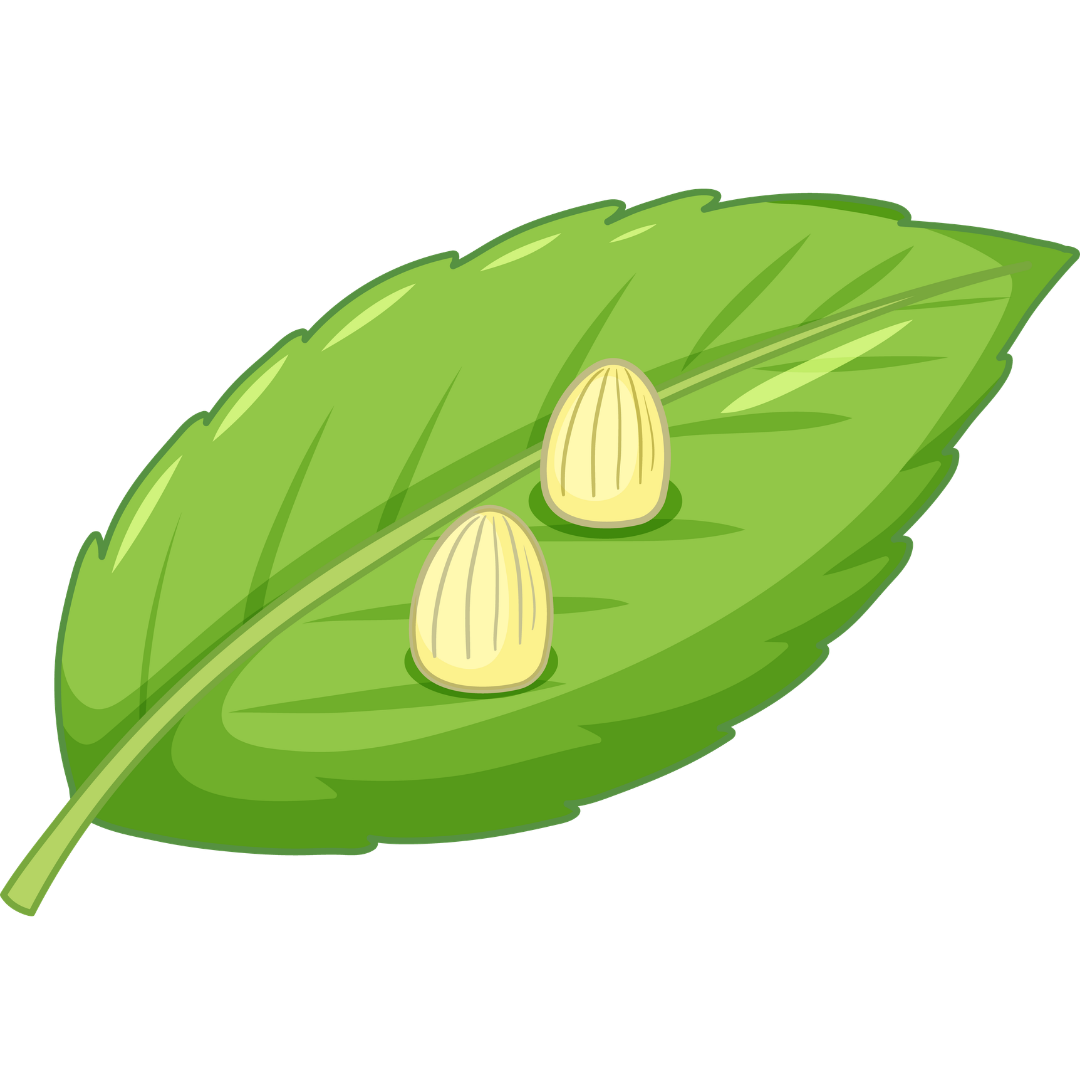
An illustration of two monarch butterfly eggs on a leaf.

Egg (8+ points)

Egg-level certification is designed to be accessible for people with limited space or physical ability to garden. This level of certification should be achievable with an outdoor container garden.
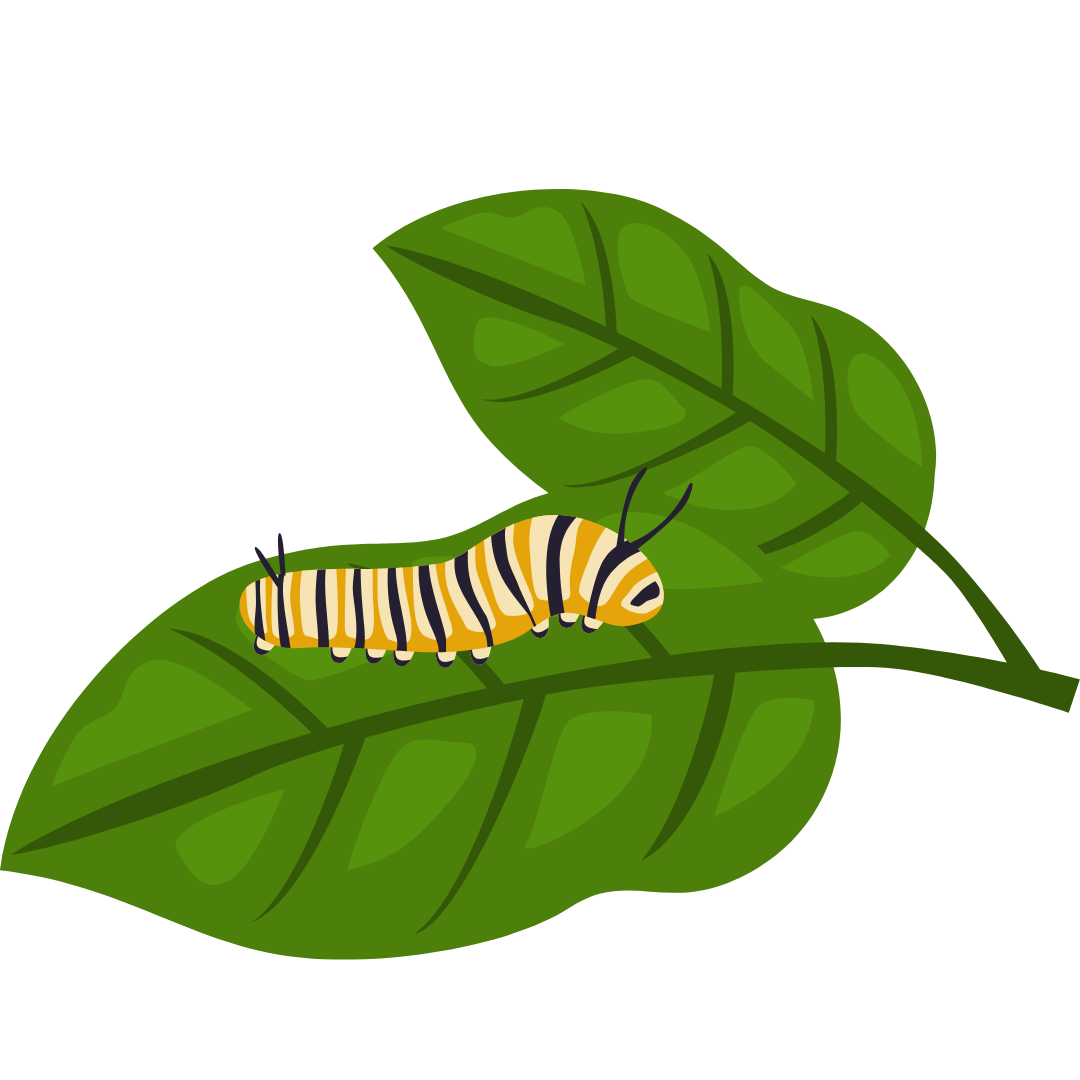
An illustration of a monarch caterpillar on two leaves.

Caterpillar (10+ points)

Caterpillar-level certification is designed to be a great entry point for most in-ground home gardens, especially more traditional ornamental gardens and gardening practices.
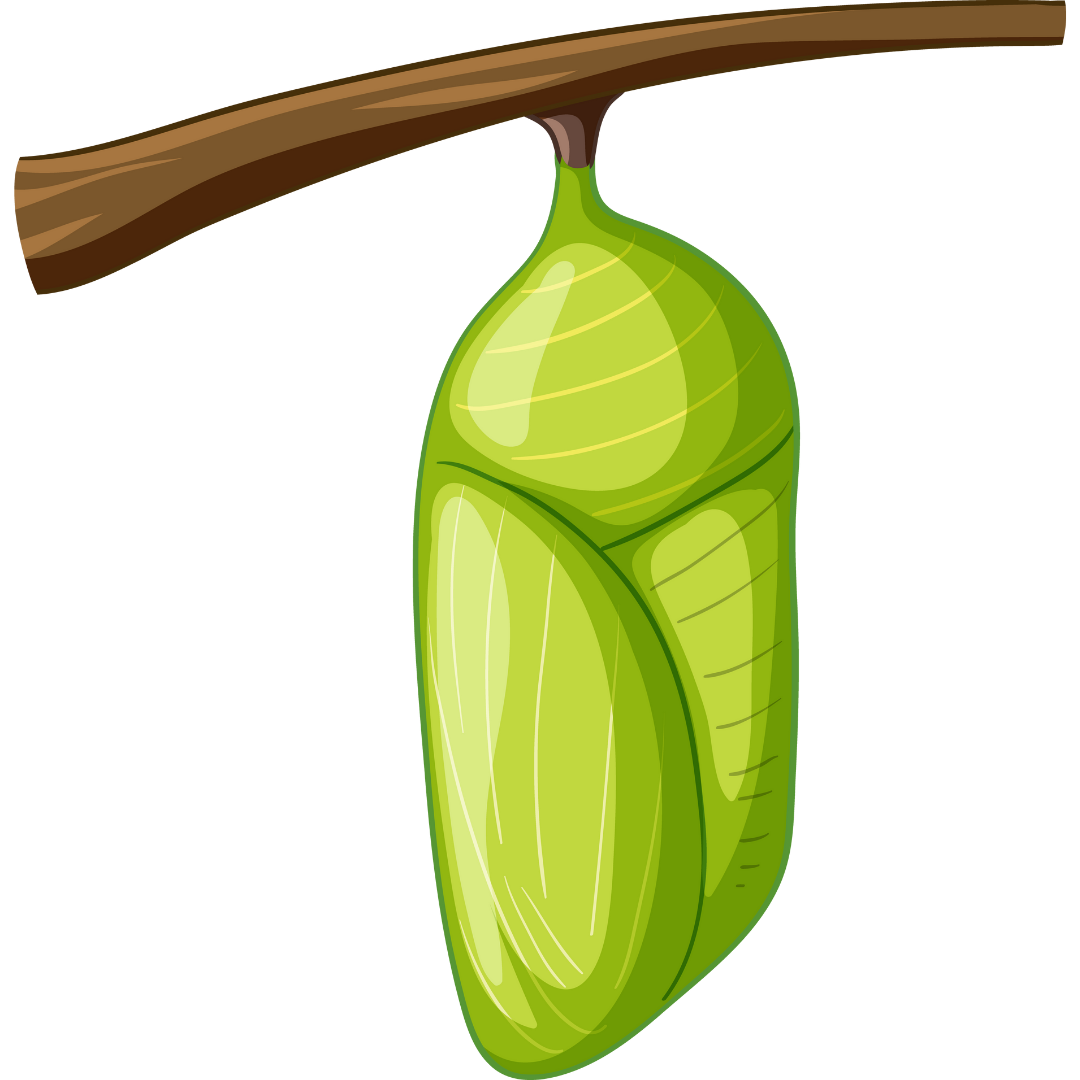
An illustration of a monarch butterfly chrysalis hanging from a twig.

Chrysalis (25+ points)

Chrysalis-level certification is designed to recognize gardens that are making an effort to build habitat beyond aesthetic value.
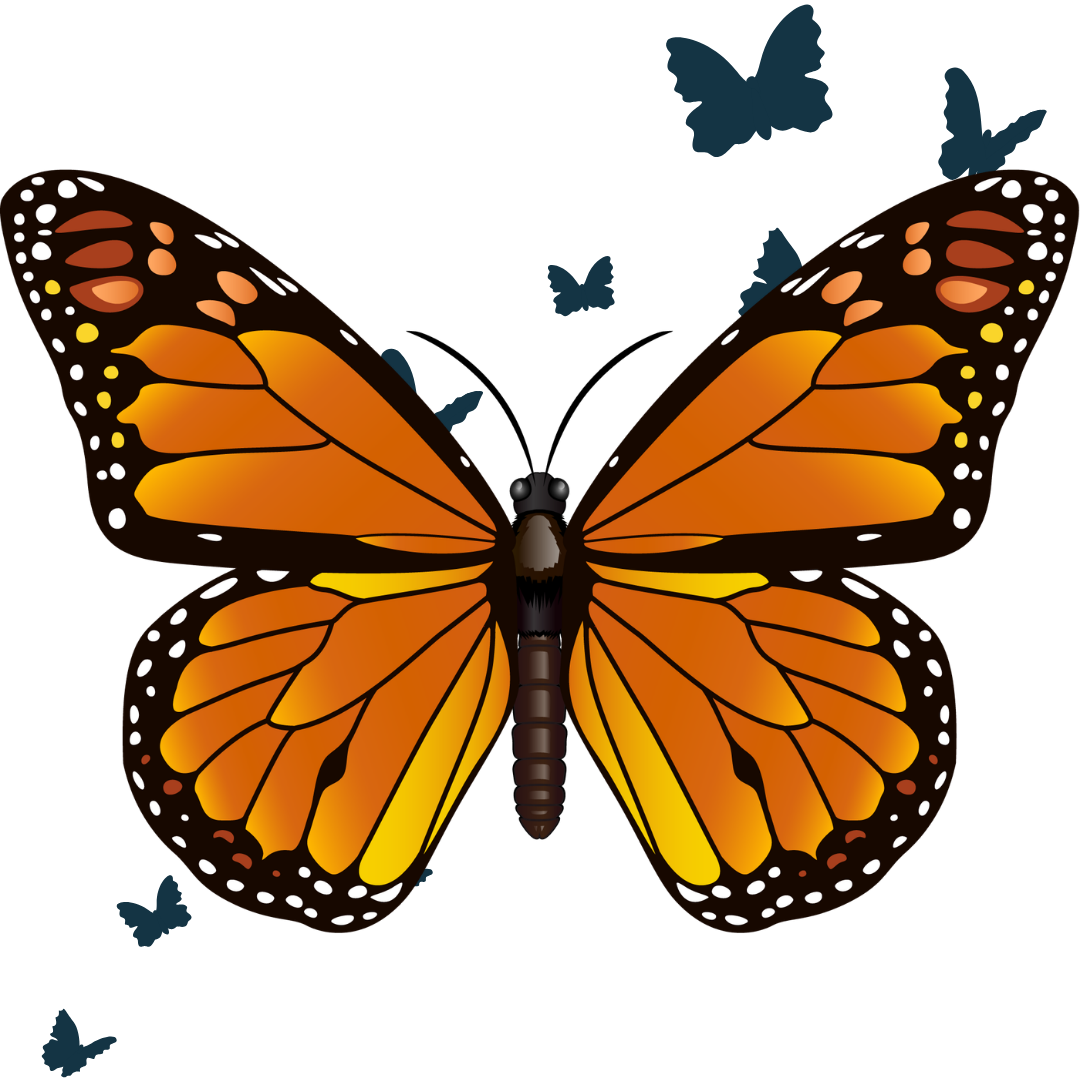
An illustration of a monarch butterfly, with silhouetted butterflies flying in the background.

Butterfly (50+ points and zero pesticide use)

Butterfly-level certification is designed to recognize gardens that truly go above and beyond to provide for pollinator needs and support multiple species, including food, shelter, water, and a pesticide-free habitat.

 
1 2
0%
Applicant Contact Information
Please enter your first and last name.
If this pollinator habitat is located at a business or other organization, enter the name of that organization.
Habitat Information
Please enter a name for your habitat. It can be as simple as your address or something more creative. No profanity or explicit content will be accepted.
Location type: *
Select one.
You may use square inches, square centimeters, square feet, square meters or acres.
Certification: Plants & Biodiversity
The number and types of plants make a difference in how effectively your garden serves pollinators. Native plants evolved alongside native pollinators, and can often have the most benefit for local pollinator populations. Species diversity can also ensure that nectar and pollen are available for species year-round, but also can ensure that your garden serves the largest variety of local pollinators.
Flowering seasons: *
Select all seasons when blooms are present in your garden. Each season is worth one point.
Does the habitat include any type of milkweed? *
Select one.
Native Plants vs Cultivars vs Other Ornamentals
Types of plants are given points based on a "good," "better," "best" approach. If you are unsure whether your plant is considered native to the area, search the USDA Native Plant Database (plants.sc.egov.usda.gov/home) and zoom in to Berrien County to see your plant's status. If you are unsure of what your plant is, you can download the iNaturalist or PictureThis app to determine a plant's species.
Good: Not all non-native ornamentals are necessarily destructive—some may provide important amenities like nectar. In most cases (except invasive species: plants that out-compete native species resulting in less biodiversity), garden plantings are more beneficial than turf grass.
Better: Some nurseries sell native cultivars (aka "nativars"). Nativars are selectively bred for aesthetic value in a human garden. Sometimes the traits selected provide benefits for pollinators (like more nectar), but sometimes selective breeding can eliminate other important features (like markings invisible to the human eye, or petal shape/volume that can facilitate accessibility to certain species). Nativars are better than non-natives, but still not ideal.
Best: Native plants are always best—they have evolved alongside native pollinators and are adapted to provide the best food and shelter for our local species.
How much of your outdoor space is dedicated to your habitat? *
Select one.
Certification: Garden Management
Alongside habitat fracture and decline, pesticide usage is a leading cause of pollinator decline. The ideal pollinator habitat will not be exposed to any type of pesticide use, but use of pesticides will not disqualify you from certifying your habitat.
How often do you use pesticides? *
Select one.
How do you manage common garden problems? *
Select one.
Certification: Amenities
Pollinators require water sources to survive, as well as a safe place to overwinter and nest.
Check the water source(s) that you provide or are available in your garden (+1pt) *
Select all that apply. Whether there is one or multiple water sources, having water available earns one point.
Check the shelter source(s) you provide in your garden: *
Select all that apply. Each shelter source is worth one point.
When do you put out leaves for collection? *
Select one.
Final Details
This can be your name, your organization's name, or your habitat's name.
Are you comfortable with your habitat being listed on our public Certified Pollinator Habitat map? *
Select one. Our public Certified Pollinator Habitat Map will provide a walking tour of sorts to showcase pollinator gardens in the City.
Please enter how you learned about the certification program.